Department of Data Science
The Data Science Department is proud to offer our flagship Data Science Course, a comprehensive program designed to bridge the gap between rigorous academic theory and real-world industry application. Rooted in the expertise of our dedicated faculty and data practitioners, this curriculum takes you from the fundamentals of statistical analysis to advanced machine learning and AI integration. You will gain intensive, hands-on experience using essential industry tools like Python, R, and SQL to clean, visualize, and model complex datasets. By tackling practical, project-based challenges curated by our department experts, you will build a robust portfolio demonstrating your ability to transform raw data into strategic, actionable insights—empowering you to lead and innovate in today's data-first economy.
Vision
The Department of Data Science will be a premier hub for innovation and education, forging the next generation of data scientists who will tackle society's most complex challenges. Through pioneering research and a dynamic, hands-on curriculum, we will equip our students with the skills and foresight to transform data into meaningful insights and create new opportunities.
PROGRAM EDUCATIONAL OBJECTIVES (PEO)
PEO1: Graduates will integrate Data Science concepts to formulate creative solutions that address current issues of the real world.
PEO2: Graduates will expertly navigate the evolving digital world by adopting and applying modern data science and machine learning technologies.
PEO3: Graduates will responsibly deploy their data science expertise to create a positive and meaningful impact for industry and the wider community.
;
PROGRAM SPECIFIC OUTCOMES (PSO)
PO1: Engineering Knowledge: Apply knowledge of mathematics, natural science, computing, engineering fundamentals and an engineering specialization as specified in WK1 to WK4 respectively to develop to the solution of complex engineering problems.
PO2: Problem Analysis: Identify, formulate, review research literature and analyze complex engineering problems reaching substantiated conclusions with consideration for sustainable development. (WK1 to WK4)
PO3: Design/Development of Solutions: Design creative solutions for complex engineering problems and design/develop systems/components/processes to meet identified needs with consideration for the public health and safety, whole-life cost, net zero carbon, culture, society and environment as required. (WK5)
PO4: Conduct Investigations of Complex Problems: Conduct investigations of complex engineering problems using research-based knowledge including design of experiments, modelling, analysis & interpretation of data to provide valid conclusions. (WK8). (WK5)
PO5: Engineering Tool Usage: Create, select and apply appropriate techniques, resources and modern engineering & IT tools, including prediction and modelling recognizing their limitations to solve complex engineering problems. (WK2 and WK6)
PO6: The Engineer and The World: Analyze and evaluate societal and environmental aspects while solving complex engineering problems for its impact on sustainability with reference to economy, health, safety, legal framework, culture and environment. (WK1, WK5, and WK7).
PO7: Ethics: Apply ethical principles and commit to professional ethics, human values, diversity and inclusion; adhere to national & international laws. (WK9)
PO8: Individual and Collaborative Team work: Function effectively as an individual, and as a member or leader in diverse/multi-disciplinary teams.
PO9: Communication: Communicate effectively and inclusively within the engineering community and society at large, such as being able to comprehend and write effective reports and design documentation, make effective presentations considering cultural, language, and learning differences
PO10: Project Management and Finance: Apply knowledge and understanding of engineering management principles and economic decision-making and apply these to one’s own work, as a member and leader in a team, and to manage projects and in multidisciplinary environments.
PO11: Life-Long Learning: Recognize the need for, and have the preparation and ability for i) independent and life-long learning ii) adaptability to new and emerging technologies and iii) critical thinking in the broadest context of technological change. (WK8)
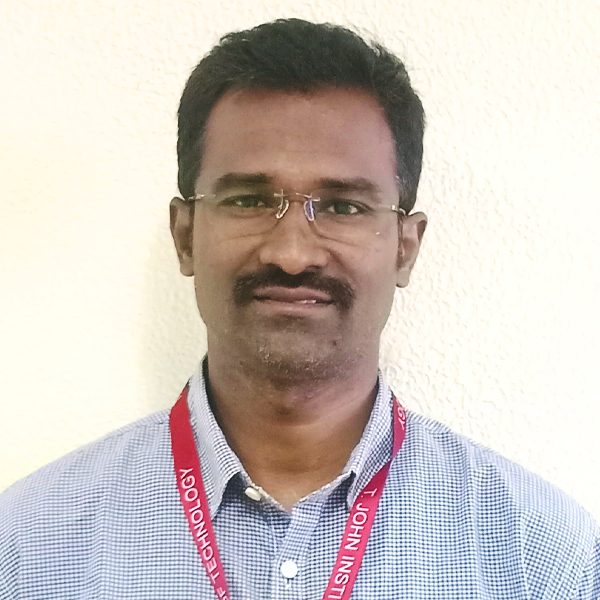
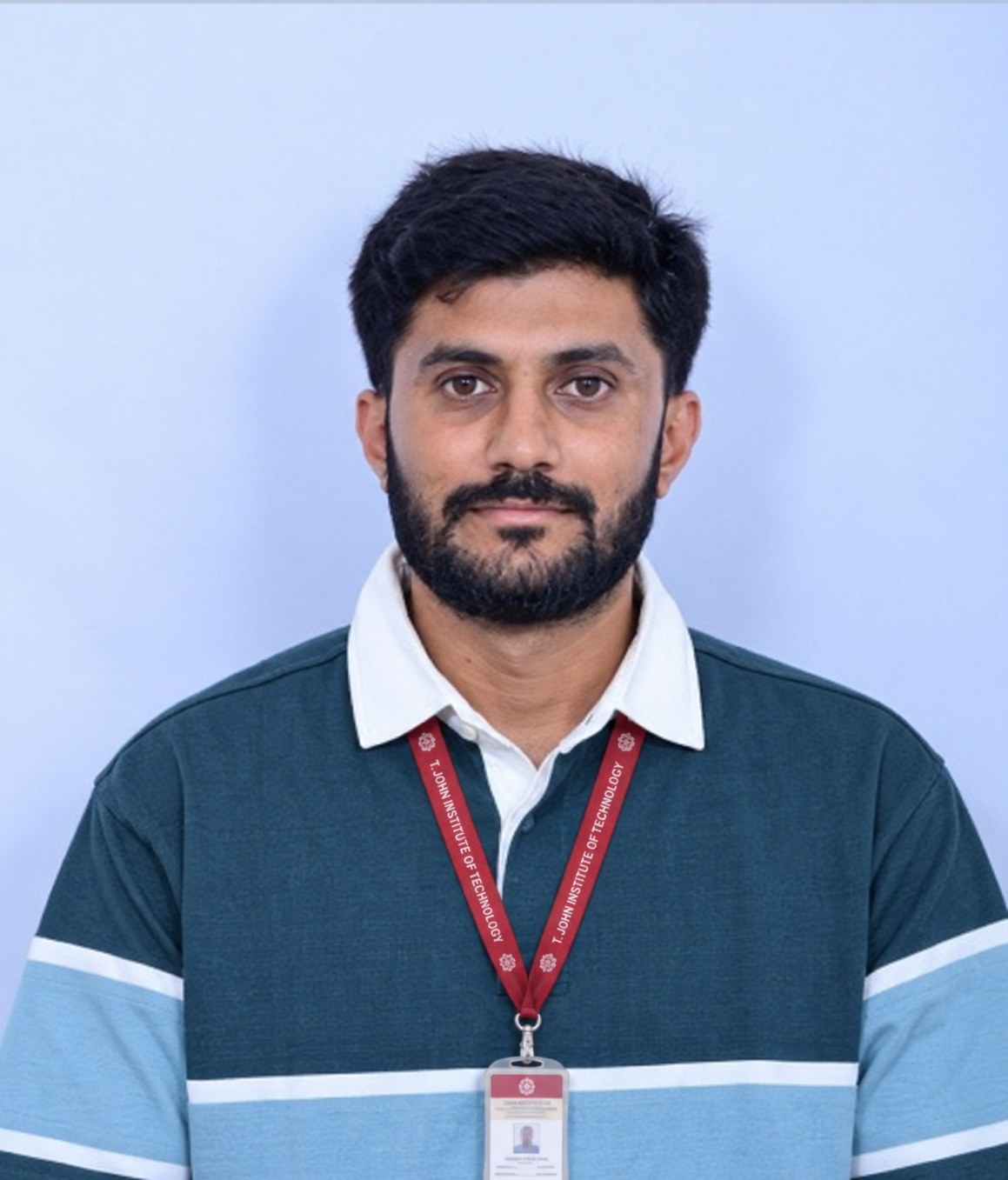
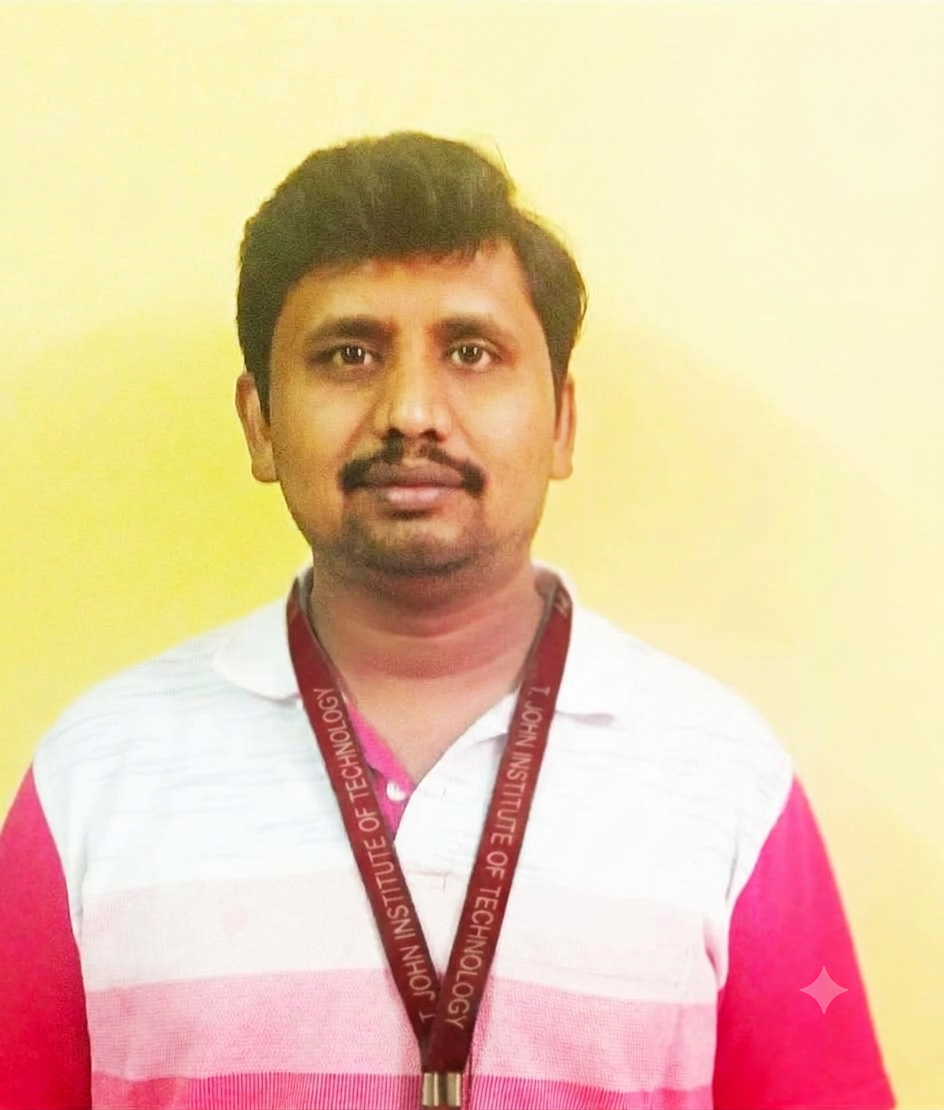
Faculty Profile


For Admission Enquiry : +91- 91 13 26 49 15 | +91- 98 45 04 08 04


